Project Case
Which industries need valves in Libya?
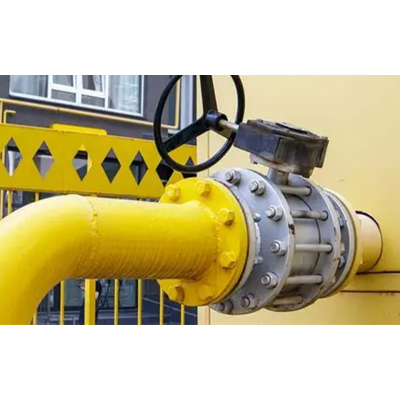
Valve in petroleum, petrochemical, chemical, metallurgy, electric power, water conservancy, urban construction, machinery, coal, food and other industries need to use. Specifically:
Petroleum, petrochemical, chemical industry: the demand for valves in these industries is very large, especially in the process of oil mining, refining, chemical production, etc., valves are used to control the flow of fluids, prevent leakage, and ensure production safety. For example, ball valves, globe valves, butterfly valves, and sewage valves are widely used in these industries.
Metallurgical industry: in the metallurgical production process, the valve is used to control the flow of high temperature and high pressure fluid to ensure the smooth progress of the smelting process. Such as diaphragm valve, check valve, stop valve, gate valve and so on all play an important role in the metallurgical industry.
Power industry: In the power industry, the valve is mainly used in the cooling system, water supply system, drainage system of power station boilers, steam turbines, generators and other equipment to ensure the normal operation of power equipment. Such as safety valve, pressure reducing valve, regulating valve, gate valve, etc.
Urban construction industry: In urban construction, valves are used for pipeline control of water supply, drainage, gas, heating and other systems to ensure the normal operation of urban infrastructure. With the development of urban construction system to environmental protection and energy saving, the requirements for valves are also getting higher and higher, such as environmentally friendly rubber plate valve, balance valve and other gradually applied.
Mechanical industry: In the mechanical industry, the valve as a general part, widely used in a variety of mechanical equipment, for the control of fluid flow direction, pressure and flow. The mechanical industry has the most demand for valves, covering almost all types of valves.
In addition, other industries such as coal and food also need to use valves to meet their specific production needs.
 +86 15122654356
 +86 15122654356
 sale2@tjlituo.com
 Xiaozhan Industrial Area, Xiaozhan Town, Jinnan District ,Tianjin , China